Power is a fundamental force that shapes the evolution and progress of societies. It is present at all levels, from the individual to the global, and can take many forms, such as political power, economic power, or social power. While power can be a driving force for progress and innovation, it can also lead to the concentration of power in the hands of a small group of individuals or organizations, which can have negative consequences for progress and the evolution of societies.
One of the key ways in which power tends to concentrate is through the accumulation of resources and wealth. Those who control large amounts of resources and wealth, such as large corporations or wealthy individuals, are often able to exert significant influence over political and economic decisions, which can lead to the concentration of power in a small group of individuals or organizations. This concentration of power can have negative consequences for progress.
Another factor that can contribute to the concentration of power is the centralization of political systems. In some cases, political systems may be designed in such a way as to promote the concentration of power in a single individual or group, such as in authoritarian regimes or single-party systems.
The centralization of power can also have negative impacts on progress by stifling innovation and creativity. When power is concentrated in a small group of individuals or organizations, it may be more difficult for new ideas or approaches to emerge, as those who hold power may be more resistant to change. This can lead to stagnation and a lack of progress.
In addition to these factors, the extraction of capital from the private sector through taxes and inflation, and the use of government regulation as a means of extracting capital or protecting established interests from competition, can also contribute to the concentration of power and slow progress. The extraction of capital reduces the amount of resources available to businesses and individuals to invest in new ideas and technologies, while regulation can make it difficult for small companies without significant resources to enter certain markets, leading to a lack of competition and innovation.
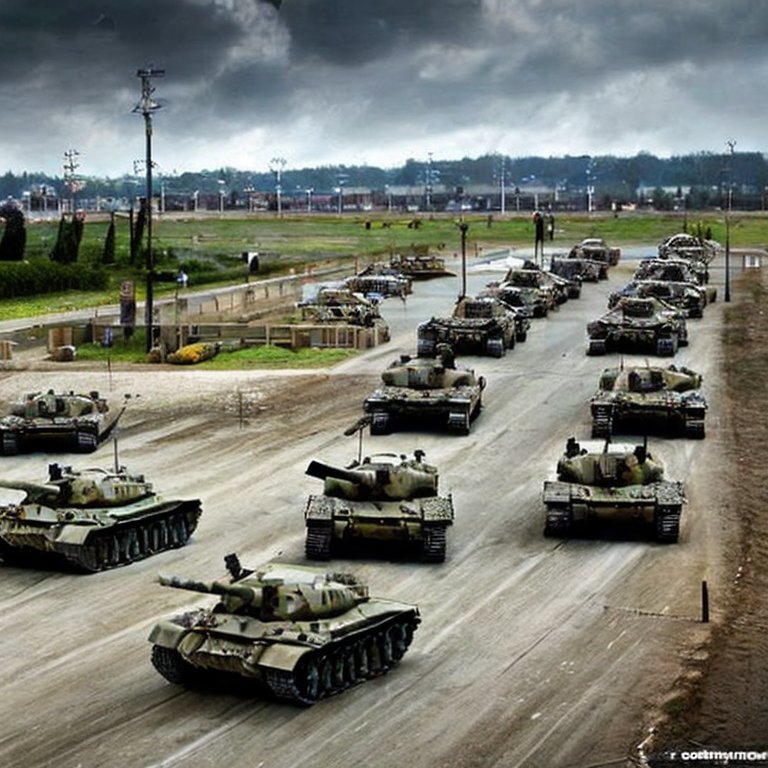
Once power has become centralized within a state, it is often turned outward towards other countries, leading to the potential for conquest or war. This can occur for a variety of reasons, such as a desire for resources or territory, or a belief that the concentration of power within a state gives it an advantage over other countries. The concentration of power within a state can also lead to the development of aggressive foreign policies or the pursuit of imperialistic goals. When power is concentrated in the hands of a small group of individuals or organizations, they may be more likely to pursue their own interests at the expense of others, leading to conflicts and tensions with other countries.
The concentration of power can also lead to the suppression of individual freedoms and rights, as those who hold power may be more likely to prioritize their own interests over the needs and concerns of others. This can have negative impacts on progress, as it can lead to social unrest and conflict, and can discourage individuals from pursuing their own goals and ideas.
Finally, the concentration of power can have negative impacts on progress through the extraction of capital from the private sector through taxes and inflation, and the use of government regulation as a means of extracting capital or protecting established interests from competition. These practices can reduce the amount of resources available to businesses and individuals to invest in new ideas and technologies, leading to a slowdown in innovation and progress.
 The Wave Entities Theory of the Universe
Leave a comment